

Starbucks Coffee Beans 1kg
Starbucks was a cozy café located in Seattle Washington prior to when it was famous for its Peppermint Mochas and red holiday cups. The founders of the company were focused on selling whole bean coffee, but they weren't aware of the potential of espresso drinks.
The situation changed when Schultz came on board. He was determined to show his roasting and blending skills.
Origin
Before Starbucks coffee beans reach your cup, they've been through a long and winding trek. Coffee is grown almost exclusively in the Coffee Belt. This area extends across the globe between the Tropics Cancer and Capricorn. The climate, soil, and culture of each region affect the taste of the coffee beans. Starbucks sources its coffee from more than 30 countries around the world.
Starbucks coffees are mostly made from Latin America, Africa and Asia-Pacific. These regions are known for their full-flavor, balanced of acidity and weight. Starbucks also sources coffee from St. Helena in the South Atlantic Ocean, a volcanic tropical island paradise.
Starbucks coffee beans are roasted to perfection to give a smooth, delicious taste. coffee bean 1kg are ground into a fine powder, and ready for brewing. The powder is then mixed with water and poured into a cup to make an exquisite cup of espresso. The result is an espresso drink that is bursting with flavor and energy.
Starbucks stores offer a range of single-origin beans. While the majority of Starbucks coffees are made by mixing different beans, they also have a few varieties that are made with only one bean. The company's single-origin coffees offer a wide range of flavors that include sweet and nutty and fruity, as well as chocolatey. Some single-origin beans are certified organic.
While Starbucks's beans are sourced from all over the world but they must meet certain requirements to qualify as specialty coffee. The term "specialty coffee" was only introduced in the 1980s, as cafes and roasters started to experiment with lighter roasting, manual techniques, and transparent source. Starbucks didn't start sourcing its coffee with these standards, but it has since adopted these standards.
In addition to ensuring that its beans are grown in a responsible way, Starbucks works to improve the lives of those who grow their coffee. It offers its farmers a higher price over market prices and encourages them to invest in their communities. It also promotes sustainability and works to reduce waste. This has led to the creation of new techniques for coffee cultivation and practices that help protect the environment.
Roast
Starbucks purchases its beans in large quantities and roasts them in huge quantities. The roasting process can take between 10 and 15 minutes and the result is beans are dark roasted. Darkly roasted beans have an intense flavor, and a full body. The beans are ground, then shipped to stores and supermarkets in the form of coffee grind. The coffee grind is bitter and not ideal to make the perfect cup. Many people add a lot of sugar or cream or flavorings, as well as whipping cream to their coffee. This doesn't really cover the bitterness of the low quality coffee, but it is an effective way to make the drink more appealing.
The beans begin to steam when they are placed in the roaster for the first time because of their internal moisture. Then comes the "first crack" which is a sound that tells us when the roasting process has actually begun. At this point, the sugars start to caramelize and water that has been bind up starts to leak out. At this point the structure of the beans is broken down and the oils begin to migrate outward. The end of this stage is the point at which most coffees are considered a city roast.
The roasted beans are then cooled and separated from any stones or other impurities, which may have escaped from the roaster. They are then inspected by hand before being packed and sold. Some beans might have a dark spot referred to as a quaker. These beans did not change colour and consequently taste burned as is a normal circumstance and does not necessarily mean that the coffee is bad, but it can be a surprise in your cup of coffee.
The beans are typically roast in small batches Sometimes as little as 20 pounds. These are called "micro-lots". This is because every cup roast will be roasted in accordance with specifications developed by a Starbucks team of masters of coffee. The team of coffee masters develops profiles that are used in all Starbucks(r), roasting facilities across the world. These profiles guarantee that every cup of coffee is consistent and has a certain level of aroma, body and flavour.
Flavor
Starbucks purchases their beans from the farms they come from, so that they can improve the quality of their beans and ensure an ethical source. For every pound of coffee beans sold, Starbucks plants a tree. The beans aren't branded with their origin, but some blends are. Veranda is from Sumatra; Komodo Dragon is from Indonesian; and Anniversary is a mix between the African and central American beans. The flavor profile of the beans is distinctive and they create a smooth velvety cup that has a delicate balance between sweetness and smoothness. Every sip is a symphony of flavours, leaving a lingering, delicious taste on your tongue.
Weight
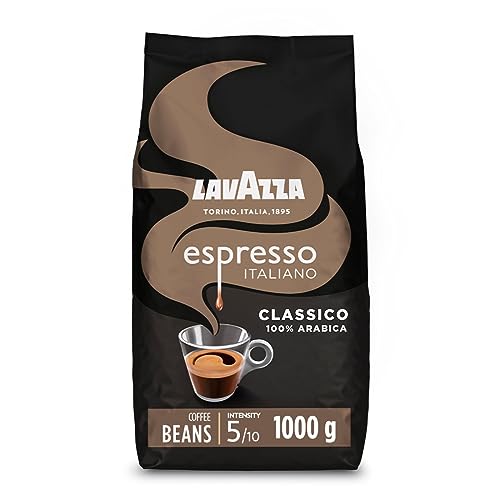
The weight of starbucks beans 1kg is determined by the blend. A Starbucks House Blend, for instance, weighs 14 oz per pound. A pound of Espresso-roast coffee at Walmart on the other hand, weighs 16 ounces. This translates into an increase of 67% at Starbucks in comparison to Wal-Mart.
Starbucks' Pike Place Roast was named after Seattle's iconic market. Its medium-light roast offers the perfect balance, sweetness and smoothness in each cup. It is made using beans from Latin America, this blend is ideal for Americano and espresso. This premium blend comes in a FlavorLock packaging to ensure the flavor. This is Starbucks the brand's signature coffee. This is a fantastic choice for those who love coffee! Made from 100% Arabica beans. This is a great present for Starbucks fans.